
Key takeaways
- In Ontario you normally don’t attend a closing meeting; you sign with your lawyer beforehand.
- Toronto buyers pay both provincial and municipal land transfer tax.
- Your right to a final visit depends on your agreement.
- Follow your lawyer’s instructions for sending funds, and verify them by phone.
In this chapter
Understanding Closing CostsThe Role of Lawyers in the ProcessFinal Visit ChecklistSigning the Documents
Visual guide · GTA buying guide
Land transfer tax example, Toronto
| Price | Ontario + Toronto | After first-time rebates |
|---|---|---|
| $700,000 | $20,950 | $12,475 |
| $800,000 | $24,950 | $16,475 |
| $1,000,000 | $32,950 | $24,475 |
Understanding Closing Costs
Closing costs are the bills due on or around closing day, on top of your down payment. In the GTA, they usually come to between 1.5% and 4% of the price.
Land transfer tax is usually the largest. Ontario charges it on every purchase, and homes in the City of Toronto pay a municipal tax too. Eligible first-time buyers may qualify for rebates of up to $4,000 from the province and $4,475 from Toronto.
You’ll also pay legal fees, title insurance and adjustments for things such as prepaid property tax. Inspection and appraisal fees, moving costs and home insurance may be due around the same time. Ask your lawyer for an estimate well before closing.
What your lawyer does
-
ReviewAgreement
-
SearchTitle
-
PrepareDocuments
-
RegisterOwnership
-
ReportFinal package
The Role of Lawyers in the Process
In Ontario, a real estate lawyer handles the legal side of your purchase. It’s a good idea to choose one before you make an offer, so your agreement can be reviewed quickly when it matters.
Your lawyer reviews the agreement, checks that the seller can transfer clear title, and looks for liens, unpaid taxes or other problems.
They also work with your lender and the seller’s lawyer, prepare the statement of adjustments and register your ownership electronically. Ask for a fee quote that includes disbursements, so you can compare lawyers fairly.
Final visit checklist
What happens on closing
-
SignDocuments with your lawyer.
-
FundMortgage and your balance arrive.
-
RegisterTitle goes in your name.
-
KeysYour lawyer tells you when.
Liens
What it isA legal claim against a property, often for an unpaid debt.
Why it mattersIt can follow the home if it isn’t cleared.
What to doYour lawyer checks title and deals with liens before closing.
Final Visit Checklist
A final visit lets you check the home before closing, if your agreement allows one. Ask your agent to include any visits you want when the offer is written.
Bring your agreement. Check that promised repairs were done, that included items are still there, and that nothing has been damaged since you last saw the home.
Turn on faucets, lights and appliances, run the heat or air conditioning, and look for leaks. Check the outside as well.
If something’s wrong, take photos and tell your agent and lawyer right away. Your options depend on your agreement, so act before closing.
Closing week
-
InsuranceConfirm coverage
-
SignAt your lawyer’s
-
FundsVerify instructions
-
KeysAs arranged
Signing the Documents
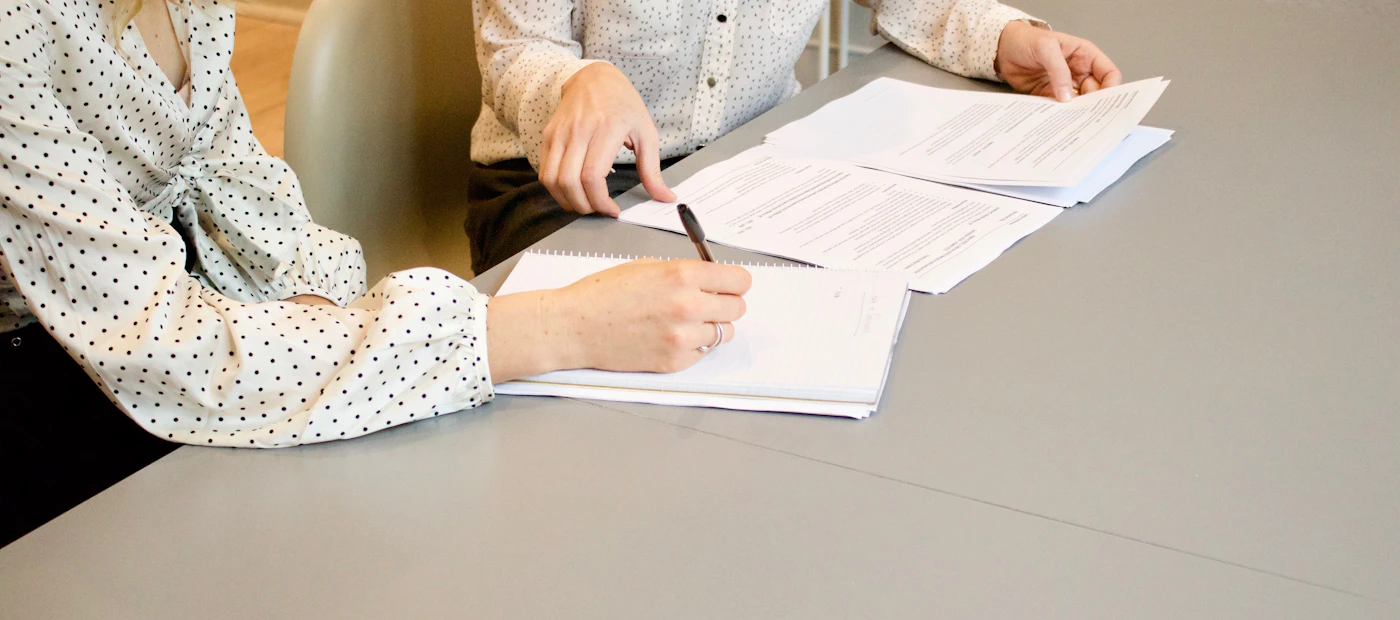
You’ll usually sign with your lawyer a few days before closing. You won’t normally meet the seller or attend a closing with all the parties.
Ask your lawyer to send the mortgage documents and statement of adjustments ahead of time, so you can read them without rushing. Bring your ID and anything your lawyer or lender has asked for.
Your lawyer will tell you the balance due and how to pay it. Wire fraud is a real risk, so confirm any payment instructions by calling your lawyer at a number you know is genuine.
On the closing date, your lawyer registers the transfer and arranges your keys. Afterward, you’ll receive a reporting letter and key documents. Keep them safe, as you may need them for renewal or refinancing.