
Key takeaways
- An inspection checks condition; an appraisal estimates value.
- Your lender may order an appraisal; a low one can affect your financing.
- Budget for an inspection before you offer.
- New homes have Tarion warranty coverage; resale homes usually don’t.
In this chapter
Importance of Home InspectionsWhat to Expect During an InspectionUnderstanding AppraisalsAddressing Inspection Findings
Both can affect the transaction, but they answer different questions.
Importance of Home Inspections
A home inspection is a visual check of a home’s condition by a professional. It can turn up problems you’d never spot in a showing, such as roof wear, moisture, old wiring or a failing furnace.
It can also help you plan. Even if nothing serious turns up, you’ll learn what needs attention in the next few years. In a competitive market, it can be tempting to skip it. Remember that a resale home usually has no warranty, so any surprises are yours to pay for.
What to Expect During an Inspection
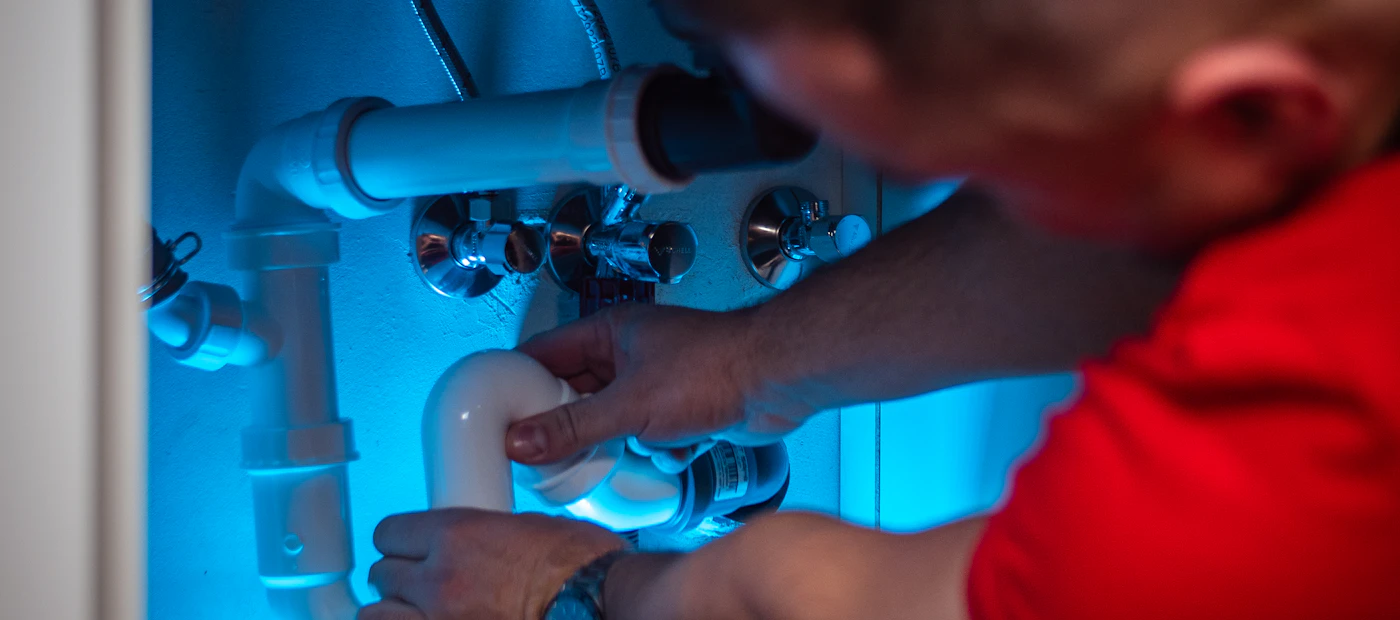
An inspector usually spends a few hours checking the roof, foundation, plumbing, electrical and heating systems, along with visible parts of the structure. Try to attend, so you can ask questions and see problems for yourself.
You’ll get a written report, often with photos and recommendations. No home is perfect, and every report will list something. Your job is to separate small items from big ones.
An inspection can’t see inside walls, and it isn’t a guarantee. If something looks concerning, ask a specialist, such as an electrician or structural engineer, to take a closer look.
Visual guide · GTA buying guide
Inspection or appraisal?
| Inspection | Appraisal | |
|---|---|---|
| Purpose | Condition | Value |
| Usually ordered by | Buyer | Lender |
| Result | Report on issues | Opinion of value |
| Affects | Your decision, repairs | Your financing |
Understanding Appraisals
An inspection tells you about condition. An appraisal estimates value. Your lender may order one to make sure the home supports the mortgage.
An appraiser looks at the property and recent sales of similar homes nearby. If the value comes in below your purchase price, the lender may lend less than you expected.
You’d then need to make up the difference with more cash, try to renegotiate with the seller, or use your financing condition if you still have one. This is one reason to get advice before you go firm.
If the inspection finds a problem
-
UnderstandAsk the inspector
-
EstimateGet repair quotes
-
NegotiatePrice, repair or credit
-
DecideWithin your condition date
Visual guide · GTA buying guide
The appraisal comes in low
Your price and the appraised value
VS
Addressing Inspection Findings
Sort your report into three groups: safety hazards or major problems, significant repairs, and normal wear. Serious issues, such as foundation problems or active leaks, need quotes from a specialist.
If you have an inspection condition, you may be able to negotiate. You could ask for a lower price, a credit or a repair. Keep your request focused on the things that matter. Don’t use the report as a shopping list.
Know your deal-breakers before you begin. If the home needs more than you can handle, your condition may allow you to walk away. Your agent and lawyer can explain your options.
If the seller agrees to make repairs, get the details in writing, and keep receipts. Ask to confirm that the work was done before closing, if your agreement allows it.
Visual guide · GTA buying guide
Sort your inspection findings
| Finding | Action |
|---|---|
| Safety hazard | Get a specialist quote now |
| Major repair | Negotiate or reconsider |
| Normal wear | Plan for it |
| Cosmetic | Fix it later |
Visual guide · GTA buying guide