
Key takeaways
- Home values can rise or fall: the average GTA price was down 5.1% from a year earlier in September 2026.
- Buy for the long term, and don’t count on appreciation.
- Property tax is your MPAC assessed value times the municipal rate.
- Check permit needs before renovating.
In this chapter
Home Value AppreciationUnderstanding Property TaxesRenovation and Improvement TipsBuilding Community Connections
Visual guide · GTA buying guide
Average GTA price, September
Home Value Appreciation
Over the long term, GTA home values have grown with the economy and population, but they don’t rise in a straight line. In September 2026, the average GTA selling price was about 5.1% lower than a year earlier. Treat appreciation as a possibility, not a promise, and buy a home you can afford to hold through a downturn.
Location, condition and supply all affect value. So do interest rates and buyer confidence, which no one can control or predict with certainty.
As you pay down your mortgage, you build equity, even in years when prices are flat. That’s a steadier foundation than hoping for a rising market.
Market value and equity
VS
Understanding Property Taxes
Property tax pays for local services. Your bill starts with the value assigned by the Municipal Property Assessment Corporation (MPAC), which is multiplied by your municipality’s tax rate and the education rate.
Rates differ between municipalities, so a similar home can have a different bill in another town. Ask to see the current bill before you buy. If you think your assessment is wrong, MPAC has a review process, with deadlines.
Many municipalities offer property tax relief or deferral for eligible low-income seniors and people with disabilities. Rules vary, so check with yours.
How your tax bill is set
-
MPAC valueThe assessed value of your home.
-
City rateYour municipality’s tax rate.
-
EducationA provincial education rate.
-
Your billAssessment multiplied by the rates.
Assessed value
What it isMPAC’s estimate of your property’s value for tax purposes.
Why it mattersIt isn’t the same as market price.
What to doReview your notice and any deadline.
Renovation and Improvement Tips
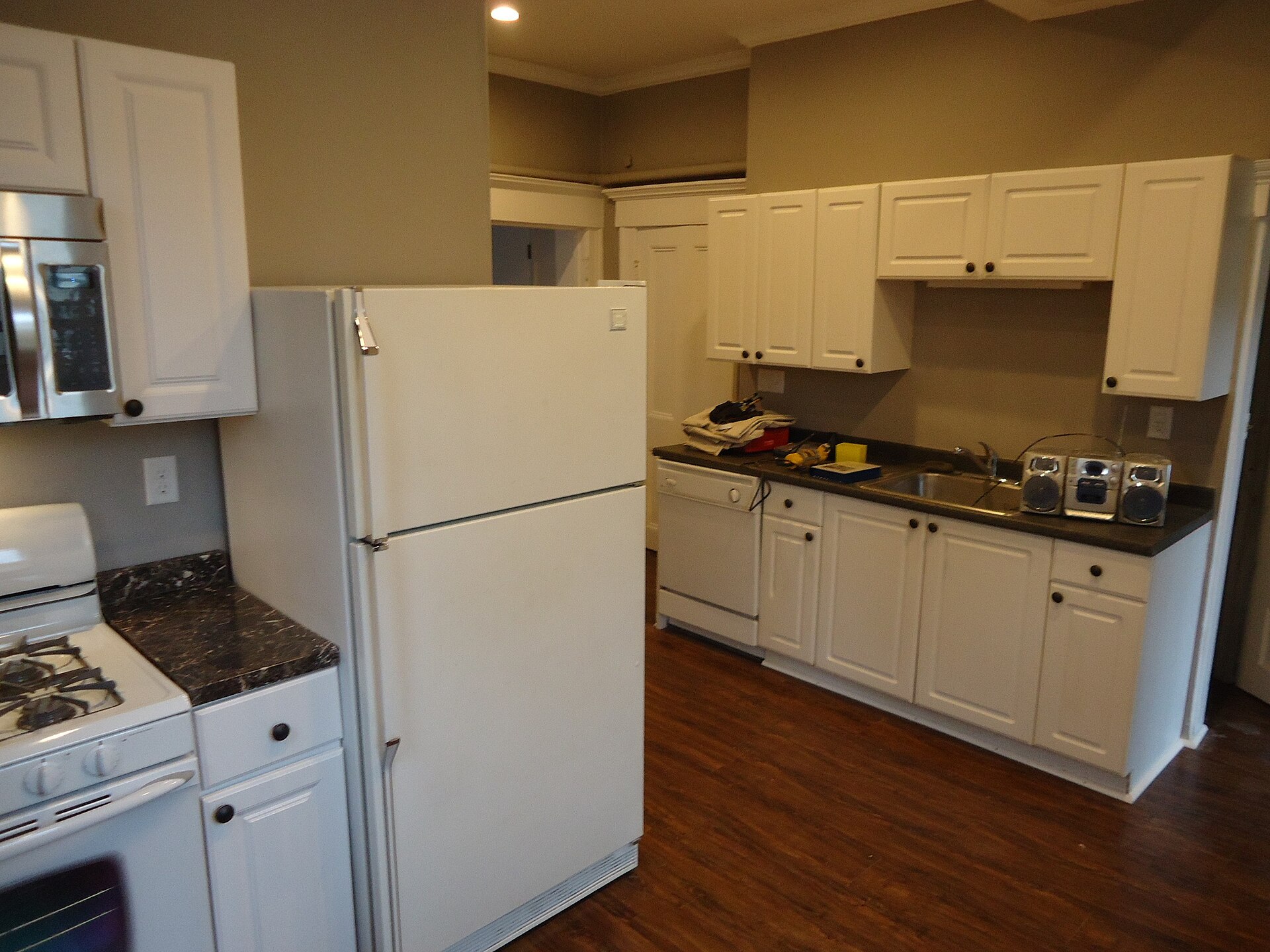
Fix the essentials first. Water, safety and major systems come before finishes. Then plan any upgrades around how you live, and treat any added value as a bonus.
Kitchens and bathrooms are the usual favourites, and modest updates can make a big difference. Fresh paint, new fixtures and better lighting cost far less than a full remodel. Outside, a tidy yard, a new front door or a well-built deck can improve your daily life and your curb appeal.
Energy upgrades such as insulation, air sealing and better windows can cut your bills and improve comfort. Check for current rebates before you begin.
Before you start, ask your municipality whether you need a permit, get more than one written quote, and don’t pay too much up front.
Visual guide · GTA buying guide
Do you need a permit?
Building Community Connections
A home feels more settled when you know people nearby. Start small with a farmers’ market, a local festival or a walk in the park.
Join something that interests you, such as a sports league, a book club or a volunteer group. Residents’ associations are also a good way to learn what’s happening in your area.
Neighbourhood social media groups can be useful for local news, but take what you read there with a grain of salt. Being a good neighbour matters most, and it starts with a friendly hello.
Online and in person
VS