

Key takeaways
- The GTA market gave buyers more choice in 2026: average prices fell 5.1% year over year in September.
- Sellers competed with 26,131 active listings.
- Pricing and presentation matter more when buyers can be selective.
- An experienced local agent can bring current sales data.
In this chapter
IntroductionWhy Selling in the GTA is UniqueThe Seller’s Mindset: Balancing Emotion and StrategyFirst Impressions MatterWhy Go It Alone? The Role of ExpertiseBook Structure: Your Roadmap to SuccessPart 1: Preparing Your GTA Home for Sale – The 80/20 RulePart 2: Marketing in the Digital AgePart 3: Mastering NegotiationsYour Next Steps
Read the market before pricing
The seller’s market check, September 2026
Introduction
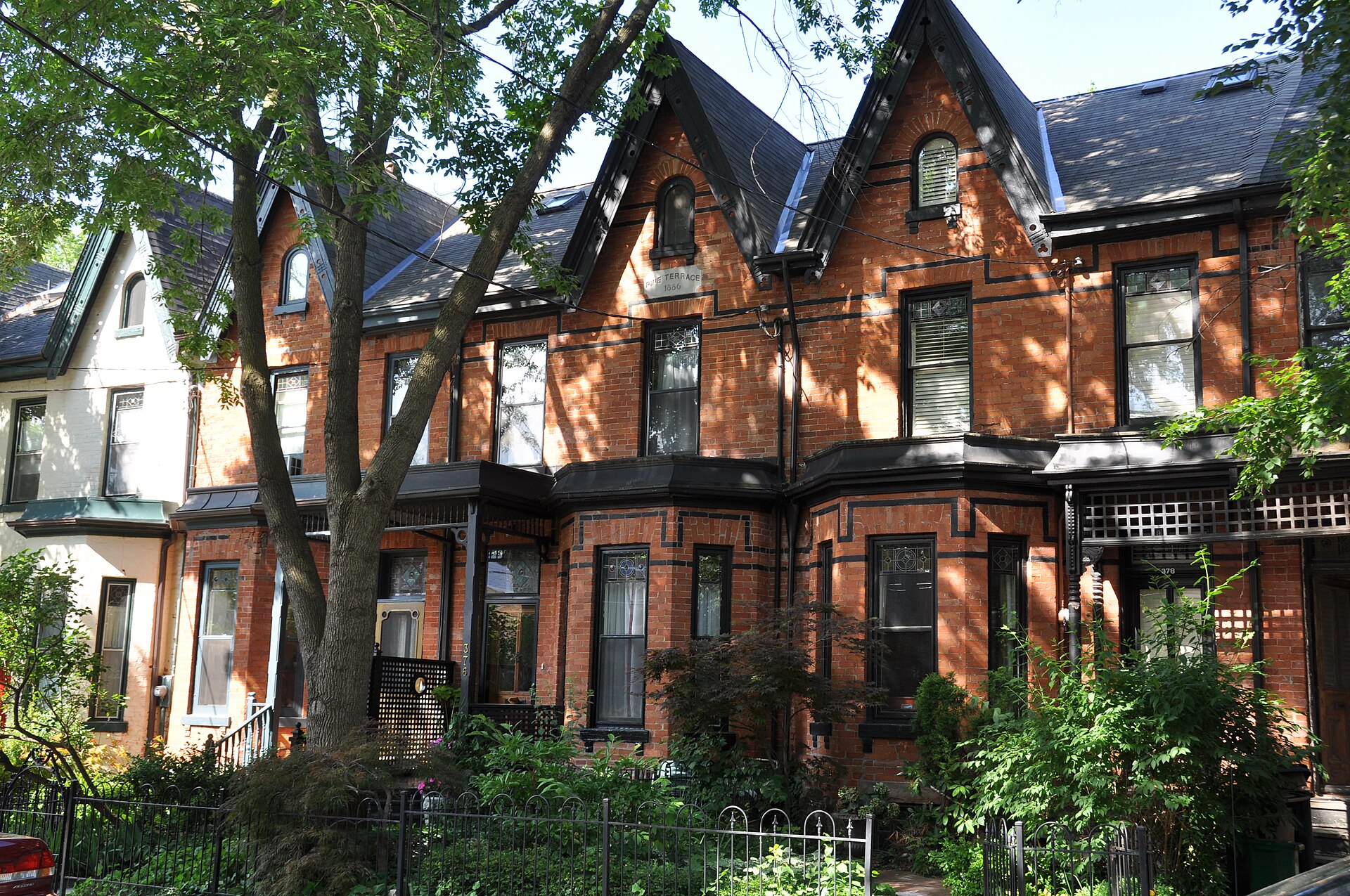
For many homeowners in the Greater Toronto Area (GTA), their home is not just a place to live, it’s their largest financial asset and a cornerstone of their personal legacy. Whether it’s a heritage row house in Cabbagetown, a sleek downtown condo in King West, or a suburban family home in Mississauga, selling a property in the GTA is a high-stakes endeavor. The process demands more than just listing a property; it requires strategic preparation, savvy marketing, and sharp negotiation skills tailored to one of Canada’s most dynamic and competitive real estate markets.
The GTA’s real estate landscape is shaped by soaring demand, diverse buyer preferences, and neighbourhoods that each tell a unique story. Yet, even in a seller’s market, challenges abound. Overpricing, poor staging, or underestimating the emotional currents of buyers can turn a “hot” listing into a months-long ordeal. This chapter equips you with the tools to transform your home into an irresistible opportunity, whether you’re navigating the bidding wars of Leslieville, the luxury condo towers of Yorkville, or the family-oriented communities of Vaughan and Ajax.
The selling journey
-
PlanGoals and timing
-
PrepareRepairs, staging
-
PriceCurrent comparables
-
MarketPhotos, listing
-
NegotiateOffers and conditions
-
CloseLawyer finishes
Why Selling in the GTA is Unique
The GTA’s market thrives on contrasts. A detached home in The Beaches might sell for $2 million, while a similarly sized property in Oakville could fetch a different price based on school districts, transit access, or proximity to trendy cafes. Condo buyers prioritize amenities like rooftop terraces or concierge services, while suburban families seek backyard space and quiet streets. Understanding these nuances is critical.
Several key factors influence GTA home sales. Location remains paramount, with proximity to transit options such as TTC subway lines, GO Transit stations, and major highways playing a crucial role. Top-rated school districts in areas like Rosedale, Leaside, and Markham drive demand, while walkability to parks, shopping centres, and entertainment hubs can push property values even higher. Market volatility is another factor, with interest rate fluctuations, zoning reforms, and policies targeting foreign buyers capable of shifting demand overnight. Lastly, emotional buyers shape the market, as many GTA residents dream of owning in specific neighbourhoods driven by nostalgia, lifestyle aspirations, or investment potential.
The Seller’s Mindset: Balancing Emotion and Strategy
Selling a home where you’ve built memories is emotionally charged. However, in the GTA’s fast-paced market, sentimentality can cloud judgment. Buyers won’t pay a premium for your memories, they’ll pay for their vision of a future home. The most successful sellers approach the process with a balance of emotional detachment and strategic thinking.
Think like a seller, not an owner
VS
First Impressions Matter
In a region where open houses can draw dozens of visitors, curb appeal is non-negotiable. A freshly painted facade in Roncesvyalles, professionally landscaped gardens in North York, or a sleek lobby in a Liberty Village condo can make buyers fall in love at first sight. Buyers in the GTA often decide within minutes, so prioritizing exterior upgrades is essential. Pressure-washed driveways, modern lighting, and seasonal touches, such as potted plants in summer or clear walkways in winter can enhance the home’s appeal. Inside, staging should cater to urban buyers by using neutral palettes, decluttered spaces, and highlighting flexible areas, such as a den repurposed as a home office, a post-pandemic must-have.
Why Go It Alone? The Role of Expertise
While some sellers opt for “For Sale By Owner” platforms, most rely on seasoned real estate agents familiar with the GTA’s micro-markets. Agents also offer insider knowledge on which upgrades yield the highest return on investment, such as kitchen renovations in Midtown or legal basement suites in Brampton. Additionally, experienced agents use sharp negotiation tactics to handle bully offers in Riverdale, manage bidding wars in Mississauga, or navigate conditional sales in slower-moving suburbs like Oshawa.
This book empowers you to think like a professional, whether you choose to partner with an agent or take charge yourself.
Book Structure: Your Roadmap to Success
How this book is organized
-
PrepareGet the home ready and find what makes it stand out.
-
MarketPrice it well and reach buyers online.
-
NegotiateHandle offers and close with confidence.
Part 1: Preparing Your GTA Home for Sale – The 80/20 Rule
Success begins with preparation. The 80/20 rule applies, focus on highimpact, low-cost updates that yield maximum returns. Refinishing hardwood floors in Danforth Village, upgrading fixtures in a Liberty Village loft, or repainting walls in a neutral palette in Scarborough can make a significant difference. This section will also explore which renovations pay off, revealing why kitchens and bathrooms outperform swimming pools in the GTA’s climate. Depersonalizing spaces is another key step, helping buyers envision their life in your Annex Victorian, a North York townhouse, or a detached home in Richmond Hill.
Part 2: Marketing in the Digital Age
Marketing mistakes can be costly. Overpricing in a shifting market or using poor photography that fails to highlight unique features, such as exposed brick in Queen West condos or expansive backyards in Vaughan can deter buyers. This section outlines how to avoid common pitfalls and create a compelling listing. Digital marketing strategies, such as social media ads targeting young professionals eyeing Liberty Village or families searching for quieter streets in Pickering, will also be explored.
Part 3: Mastering Negotiations
The GTA’s real estate market requires specific negotiation tactics. Sellers must understand how to handle pre-emptive offers, bidding wars, or conditional clauses in competitive markets. This section will dive into these strategies, ensuring sellers are well-prepared to navigate multiple-offer situations in high-demand neighbourhoods or work through conditions in slower-moving areas. Closing the deal involves understanding legal requirements, from land transfer taxes to title searches, with insights from local real estate lawyers.
Your Next Steps
By the end of this book, you’ll know how to position your home as the standout choice in the GTA’s crowded market. Whether you’te selling a chic Corktown condo, a family home in Ajax, or a luxury estate in Bridle Path, success hinges on preparation, marketing, and negotiation. Start with a Comparative Market Analysis tailored to your neighbourhood, then craft a marketing plan that aligns with your timeline and budget.
The GTA’s market waits for no one. Let’s turn your unsellable home into the next sold listing.
Your first week as a seller
-
DecideSet your timing and goals.
-
LearnReview recent nearby sales.
-
WalkTour your home as a buyer would.
-
MeetInterview two or three agents.