

Key takeaways
- Book movers and elevators early, especially for condos.
- Utility providers differ across the GTA, so confirm yours for the address.
- Update your address with institutions before you move.
- Test smoke and carbon monoxide alarms as soon as you arrive.
Preparing for the Move
Start with a simple checklist as soon as you have a closing date.
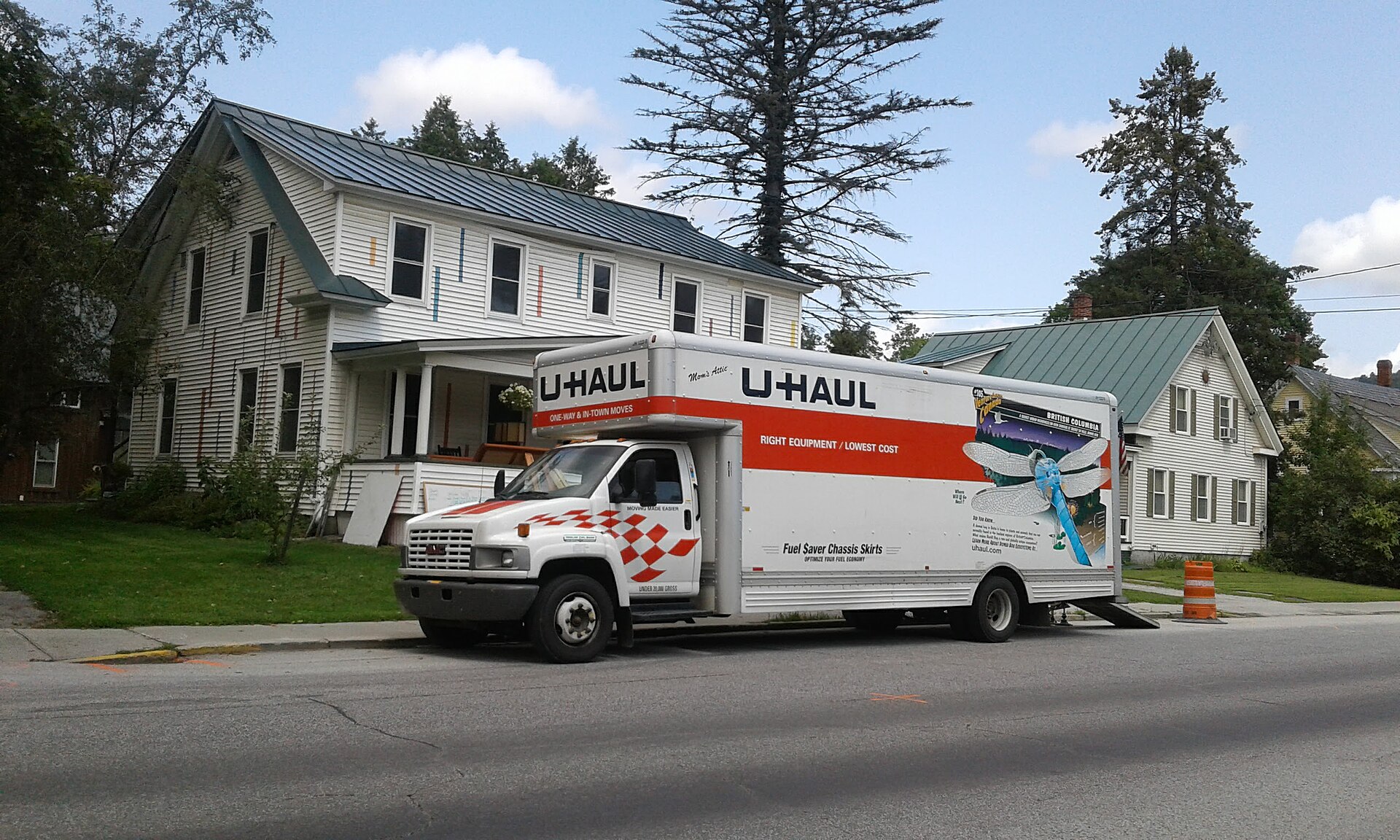
Get quotes from a few movers, and check their reviews and insurance. Toronto streets can be tight, and condos may need an elevator booking. Moving dates at month-end can fill up fast.
Declutter before you pack, use good boxes and label each box with its room.
Update your address with your bank, your employer, your healthcare providers, and Elections Ontario and Elections Canada, along with any other accounts you use. Then look up nearby services so you’ll be ready for your first week.
Visual guide · First home
Your moving countdown
| When | What to do |
|---|---|
| 8 weeks before | Compare movers; book the lawyer’s time for signing |
| 4 weeks before | Book movers and any condo elevator; start packing |
| 2 weeks before | Transfer utilities; arrange home insurance |
| 1 week before | Update your address; pack an essentials box |
| Moving day | Read meters; photograph condition; test alarms |
Update your address
Setting Up Utilities and Services
Arrange your services before you move in. Providers depend on where you buy.
In Toronto, Toronto Hydro supplies electricity; elsewhere in the GTA, your distributor varies by municipality. Enbridge Gas is the main natural gas distributor in much of the region. Contact providers well ahead, and ask about account fees or deposits. Check whether the home has rented equipment, such as a water heater, that needs to be transferred.
Water is usually billed by your municipality. Your lawyer can often help confirm final meter readings for closing.
Compare internet packages, including Bell, Rogers and smaller companies. Some condos have agreements with certain providers, so ask your property manager.
Waste rules differ by municipality, and condos often have their own systems. In Toronto, check the City’s collection schedule or call 311 about bins.
Visual guide · First home
Who to contact to set up services
| Service | Who to call |
|---|---|
| Electricity | Your local distributor (Toronto Hydro in Toronto) |
| Natural gas | Enbridge Gas, in most of the GTA |
| Water | Your municipality or regional provider |
| Internet | Check building availability first |
| Waste | Your municipality or condo management |
| Home insurance | Your insurer or broker, before closing |
Home Maintenance Tips
Regular care prevents costly repairs. A seasonal checklist is the easiest way to stay on top of it.
Outside, check your roof for damaged shingles, clear the eavestroughs and keep walkways free of snow and ice.
Inside, service your heating system every year before the cold weather arrives, and fix leaks quickly. Ontario homes must have working smoke alarms on every storey and outside sleeping areas, and carbon monoxide alarms where required. Test them monthly, and replace batteries and expired units.
Seal gaps where pests could get in, and call a professional if you see signs of an infestation. Set aside money for repairs, along with any cosmetic updates you’re planning.
A seasonal maintenance plan
Visual guide · First home
Know your shut-offs
| Item | Find it before you need it |
|---|---|
| Water | Main shut-off valve |
| Electricity | Breaker panel |
| Gas | Meter and appliance valves |
| Outdoor taps | Indoor shut-off for winter |
Visual guide · First home
Who to call
| Problem | Call |
|---|---|
| Gas smell | Leave, then call your gas utility or 911 |
| Leak | Shut off water, then call a plumber |
| Power outage | Your electricity distributor |
| No heat | A licensed heating contractor |