

Key takeaways
- Base your price on research, not guesses.
- Pick an agent for skills, not the highest quote.
- Emotional attachment can cost you.
- Review your price early if showings are low.
In this chapter
Guessing Instead of Researching: The Perils of Anecdotal PricingHow to Check Your PriceHiring a Realtor® for the Highest Price: The Overlisting TrapImpact of Overpricing in the GTA:Subjective Pricing: Emotional Attachments in Family-Centric SuburbsGTA Buyer Priorities vs. Seller Sentiment:First-Day High-Price Blues: The Critical 10-Day WindowGTA Price Adjustment Outcomes:Testing the Market: The High-Stakes GambleGTA Overpricing Risks by Property Type:Price Dropping: Chasing a Falling MarketGTA Price Adjustment Strategies:Conclusion: Data Over Emotion in the GTA
Visual guide · Listing Magic
Choosing an agent
| Ask | Why |
|---|---|
| Comparable sales? | Backs up the price |
| Marketing plan? | Shows the work |
| Commission and terms? | Know the cost |
| Recent local experience? | Fit with your home |
Guessing Instead of Researching: The Perils of Anecdotal Pricing
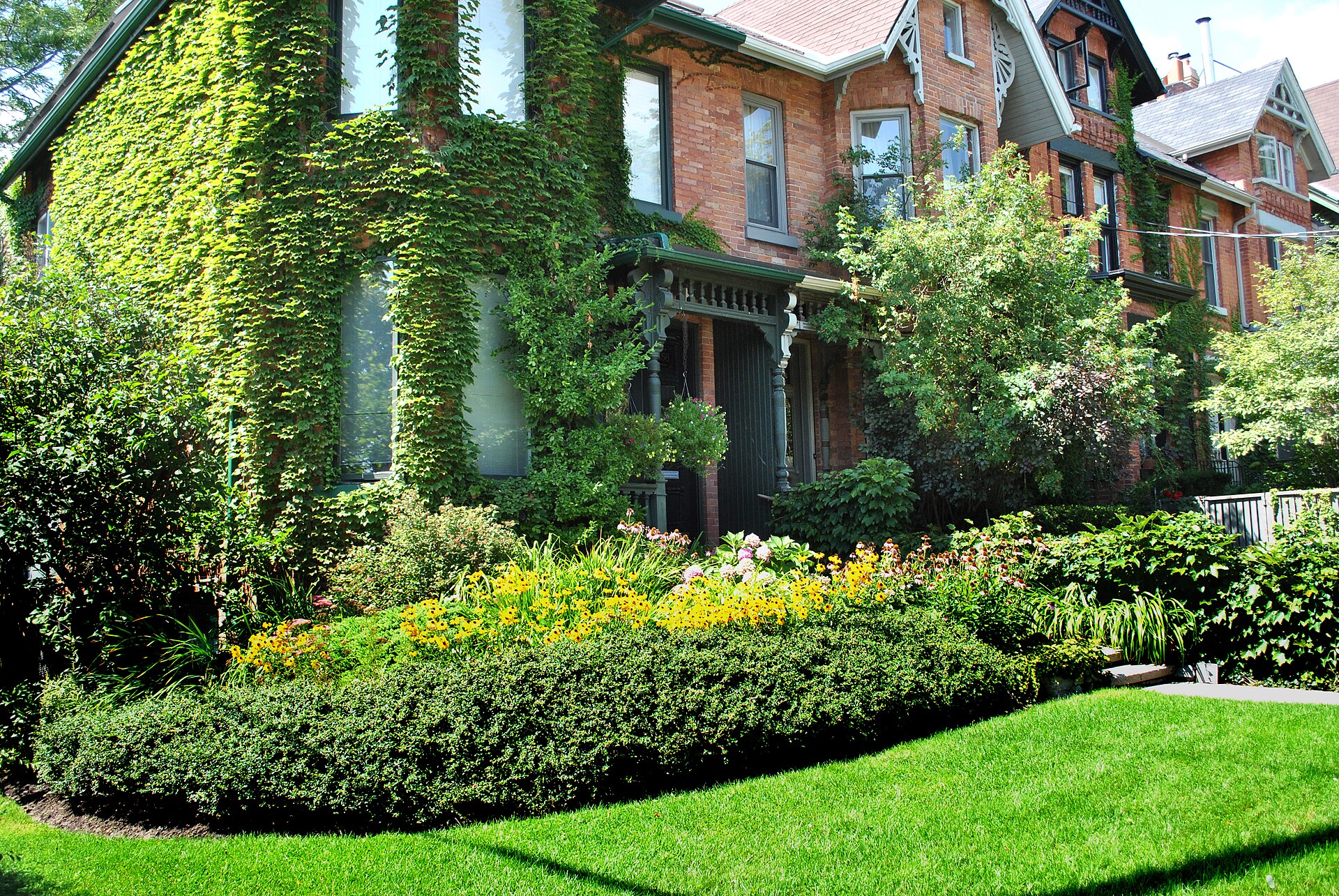
In the GTA’s hyper-localized markets, pricing a home based on hearsay or a neighbor’s listing often leads to costly errors. For instance, a semi-detached home in Brampton’s Heart Lake might appear comparable to a similar property in Mississauga’s Cooksville, but factors like proximity to the Hurontario LRT, school districts (e.g., David Leeder Middle School), and neighbourhood amenities create stark price disparities. A Comparative Market Analysis (CMA) tailored to micro-markets like Scarborough’s Guildwood versus Toronto’s Danforth Village is critical.
How to Check Your Price
- Compare sold prices, not asking prices.
- Use homes in the same neighbourhood, with a similar type, size and condition.
- Use sales from the past few months.
- Adjust for differences in lot, parking, basement and updates.
Hiring a Realtor® for the Highest Price: The Overlisting Trap
In high-demand markets like Oakville’s Glen Abbey or Richmond Hill’s Bayview Hill, some agents may suggest a high price to win a listing. However, overpriced homes face buyer skepticism. A listing priced well above its CMA can sit for months and then sell for less than a realistic price might have brought.
Questions for a high price quote
Impact of Overpricing in the GTA:
- Fewer showings and online saves.
- More time on the market.
- Buyers wonder what’s wrong with the home.
- Lower offers after a price cut.
If showings are low
-
ReviewFeedback
-
CompareNew listings
-
RefreshPhotos, staging
-
AdjustPrice, sooner than later
Subjective Pricing: Emotional Attachments in Family-Centric Suburbs
Divorce or relocation often fuels emotional pricing in family-heavy areas such as Ajax and Pickering. Sellers may overvalue renovations or memories, but buyers prioritize tangible features. A pool or custom renovation may add less than it cost, while an easy walk to a GO station can matter more than a seller expects.
What you spent and what it’s worth
VS
GTA Buyer Priorities vs. Seller Sentiment:
- Seller: “We spent a lot on this kitchen.” Buyer: “How does it compare with similar homes?”
- Seller: “We raised our family here.” Buyer: “Do the layout, condition and location work for us?”
- Seller: “We need this amount.” Buyer: “What have similar homes sold for?”
First-Day High-Price Blues: The Critical 10-Day Window
The first weeks on the market usually bring the most attention, because buyers and their agents see new listings right away. If a home seems overpriced, that early interest can fade quickly.
Visual guide · Listing Magic
Review your price, early
GTA Price Adjustment Outcomes:
- Review showings and feedback after the first week or two.
- If showings are low, consider adjusting early.
- If showings are strong but offers don’t come, look at condition and presentation.
- Base any change on new comparable sales.
Testing the Market: The High-Stakes Gamble
In volatile markets like downtown condos, “testing” a high price can drive buyers away. While the listing sits, better-priced units in the same building may sell first, and the home can end up selling for less than a fair price would have brought.
GTA Overpricing Risks by Property Type:
- Condos: Easy to compare with sales in the same building.
- Detached homes: Fewer true comparables, so check adjustments carefully.
- Townhomes: Compare the same complex and whether fees differ.
- Luxury homes: A smaller pool of buyers can mean a longer wait.
Price Dropping: Chasing a Falling Market
In a falling market, delaying a price cut can make things worse. A seller who chases the market down with several small cuts may end up below what a realistic first price could have achieved.
One clear change or many small ones
VS
GTA Price Adjustment Strategies:
- One meaningful change often beats several small ones.
- Refresh photos and the description at the same time.
- Base the new price on recent sales.
- Ask your agent about the best timing.
Conclusion: Data Over Emotion in the GTA
The GTA’s market rewards precision. From Vaughan’s luxury estates to Scarborough’s starter homes, aligning with CMAs and avoiding emotional traps ensures faster, profitable sales. Partner with agents who know local market data and neighbourhood trends, and let Toronto’s dynamic data guide your strategy.
By sidestepping these pitfalls, GTA sellers can transform “For Sale” signs into “Sold” stickers—swiftly and profitably.