

Key takeaways
- The GTA average price was $1,006,409 in September 2026, down 5.1% from a year earlier.
- Prices vary widely by area and home type.
- The Bank of Canada raised its policy rate to 2.50% on October 28, 2026.
- Line 5 Eglinton opened in February 2026.
In this chapter
Overview of the Greater Toronto AreaImportance of the GTA in the Canadian Real Estate MarketUnderstanding the Local Economy
September 2026 market signals
September 2026 snapshot
Overview of the Greater Toronto Area
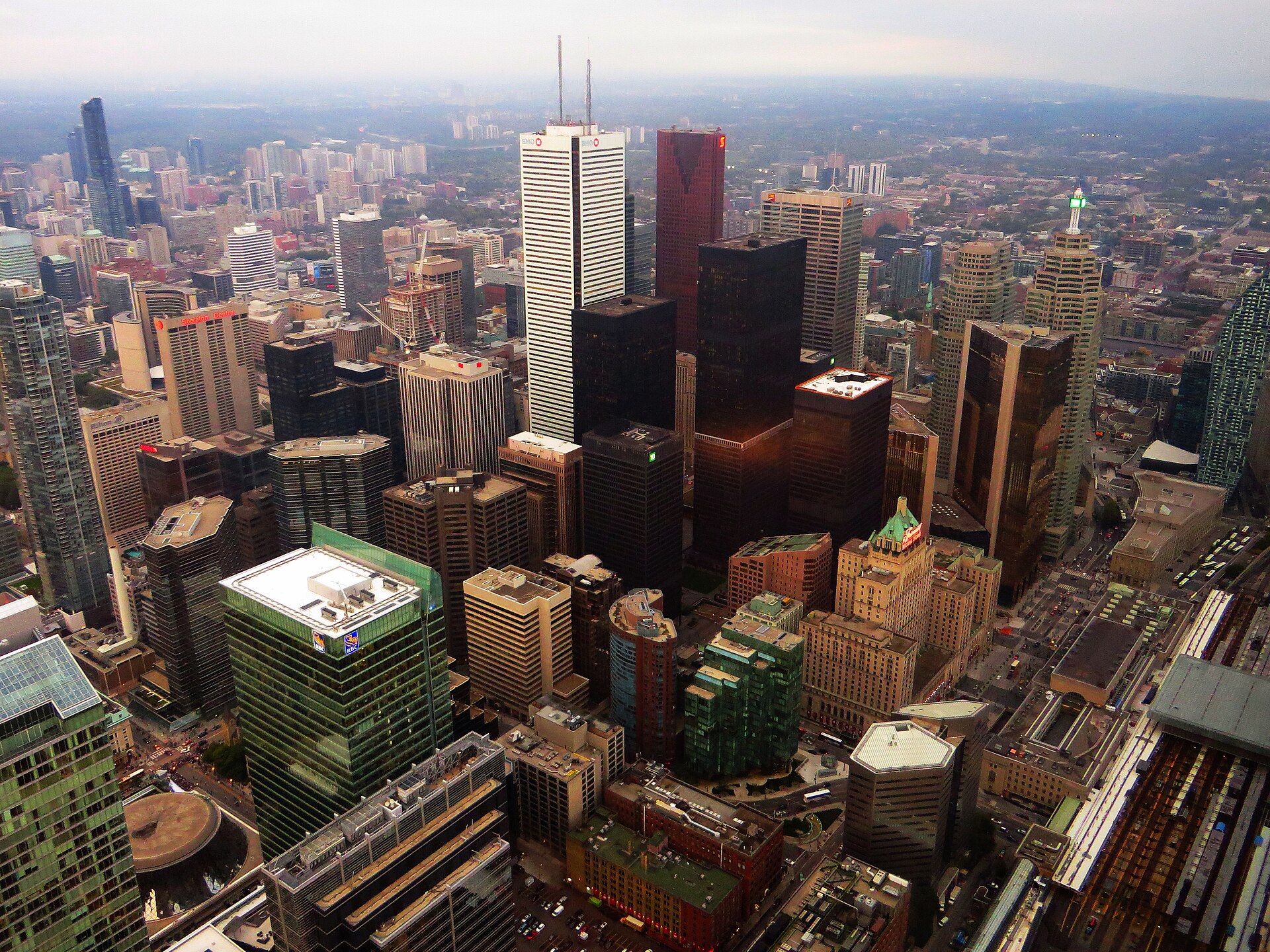
The Greater Toronto Area (GTA) is the City of Toronto plus the regions of Peel, York, Durham and Halton. It runs from condo towers beside Lake Ontario to farm country and small towns, so “buying in the GTA” can mean very different things.
Start by asking what kind of daily life you want. A short walk to a subway station, a yard for the dog and a house near family may not all be possible at your budget, and knowing your priorities early will save you weeks of searching.
Getting around matters too. The TTC runs Toronto’s subways, streetcars and buses, GO Transit links the regions by train and bus, and highways such as the 401 and the QEW connect the whole area. Always test the commute you would actually make, at the time you would make it.
Prices differ widely by area and home type, as the charts in this chapter show. Use averages to get your bearings, then look at recent sales for the exact kind of home you want.
Visual guide · GTA buying guide
Average price by region, September 2026

Importance of the GTA in the Canadian Real Estate Market
The GTA is one of Canada’s largest housing markets. People move here from across the country and around the world for work, school and family, and that steady demand shapes what homes cost.
Its economy rests on several industries, including finance, technology, healthcare and education. That variety can soften the blow when one sector slows, but it doesn’t guarantee rising home prices. Prices can fall here, as they did over the year to September 2026.
Transit and other public projects can also change an area. A new station can shorten a commute and bring more buyers, while years of construction can make daily life harder. Check a project’s current status and timeline before you pay more for what’s coming.
Finally, think beyond the house. Parks, shops, schools, community centres and the lake all shape daily life. Those are the things you’ll use long after the excitement of moving day has passed.
Average price and your price
VS
Understanding the Local Economy
You don’t need to be an economist to buy a home, but a few local facts are worth checking. Jobs bring people, people need housing, and that demand affects both prices and rents.
Look at who is hiring near the areas you’re considering, and how you’d get to work if your job changed. An area that depends on one employer carries more risk than one with many.
Population trends help as well. Growth brings new schools, shops and services, but also more traffic and construction. Check your municipality’s plans, and talk to people who live there.
Bank of Canada policy rate
What it isThe rate that influences what banks charge each other.
Why it mattersIt affects variable mortgage rates most directly.
What to doAsk your lender for today’s rates rather than relying on the news.
Good news and caution
VS