

Key takeaways
- Incentives can help in a slower market, but price and condition come first.
- Put every incentive in the agreement.
- Find out why a listing is stuck.
- Follow TRESA and RECO rules.
In this chapter
Strategic Use of Incentives in the GTA MarketGTA-Specific Bargaining Chips:Which Incentives Can Help:Common Pitfalls Leading to Stagnant Listings in the GTAKey Reasons Homes Don’t Sell:Where Listings Get Stuck:Navigating Legal RulesTiming the Market: Seasonal & Economic FactorsSeasonal Pattern:Conclusion: Mastering GTA Negotiations
From accepted offer to closing
-
ConditionsTrack dates and evidence
-
Legal workProvide documents to counsel
-
MoveArrange transfer and utilities
-
KeysComplete the agreed handoff
Strategic Use of Incentives in the GTA Market
In Toronto’s diverse and competitive real estate landscape, sellers often leverage incentives to stand out, particularly in slower markets or less desirable locations. While prime neighbourhoods like Toronto’s Annex or Mississauga’s Port Credit may rely on location alone, suburban and peripheral areas like Brampton or Pickering require creativity to attract buyers.
GTA-Specific Bargaining Chips:
Smart Home Technology: Smart thermostats or integrated security systems can appeal to some buyers, but they rarely replace good pricing and condition.
Transit Perks: Highlighting proximity to the Ontario Line (under construction) or GO Transit stations adds value.
Which Incentives Can Help:
- Appliances: Useful for buyers moving from a rental.
- Home warranties: Can reassure buyers of older homes.
- Prepaid utilities: Small, and rarely decisive.
- Flexible closing dates: Often valued, and may cost you little.
If a listing is slow, a modest credit for landscaping or another practical item can help. Put it in the agreement, and ask your lawyer about any effect on the buyer’s financing.
If your listing is stuck
-
Review priceAgainst new sales
-
Review photosRefresh them
-
Review conditionFix objections
-
Review accessMake showing easy
Visual guide · Listing Magic
Incentives: cost and appeal
| Incentive | Cost to you | Appeal |
|---|---|---|
| Flexible closing | Low | Often high |
| Appliances included | Low to medium | Medium |
| Home warranty | Medium | Medium, for older homes |
| Prepaid utilities | Low | Low |
Common Pitfalls Leading to Stagnant Listings in the GTA
Despite high demand, homes linger due to avoidable missteps. Overpricing remains the top issue, but the GTA’s micro-markets reveal nuanced challenges.
Visual guide · Listing Magic
Unstick a stalled listing
Key Reasons Homes Don’t Sell:
1. Overpricing: Buyers compare your home with similar sold listings, and condos are especially easy to compare.
In the suburbs, a high price needs features that justify it.
A price based on an old peak can leave a home sitting.
2. Dated Interiors:
Older homes with original kitchens may sell more slowly. A modest refresh can help, but don’t assume you’ll recover the cost.
In condos, newer buildings can set buyer expectations for finishes.
3. Clutter & Poor Staging:
Family Homes: Pickering properties with cluttered playrooms deter young families.
Investor units: Personal items can make it harder for buyers to see rental potential.
4. Inflexible Showings:
Downtown condos: Limited evening viewings can reduce buyer interest.
Suburban homes: Pet odours can cut showings.
Where Listings Get Stuck:
- Overpricing: Fix it with a current CMA.
- Dated interiors: Clean, paint and make small repairs.
- Poor marketing: Improve photos and floor plans, and widen exposure.
Visual guide · Listing Magic
Why homes don’t sell
| Problem | First fix |
|---|---|
| Priced above market | Update comparables |
| Weak presentation | Clean, stage, new photos |
| Hard to show | Widen access |
| Known defect | Repair or disclose |
Navigating Legal Rules
Ontario’s Trust in Real Estate Services Act (TRESA) and RECO’s rules shape how agents handle negotiations:
• Legal basement suites can add appeal, but confirm permits and local rules.
Every incentive should be in writing in the agreement. An undisclosed credit can create problems with a buyer’s lender.
Add an incentive the right way
-
CheckAsk whether it suits the buyer.
-
WritePut it in the agreement.
-
ReviewAsk your lawyer.
-
ConfirmMake sure the lender knows.
Timing the Market: Seasonal & Economic Factors
The GTA’s cyclical market calls for good timing. Spring is usually busiest for family moves. In winter, practical extras such as snow removal can help in rural areas.
• Interest rates: Higher rates can reduce buyers’ budgets, and investors may look for motivated sellers.
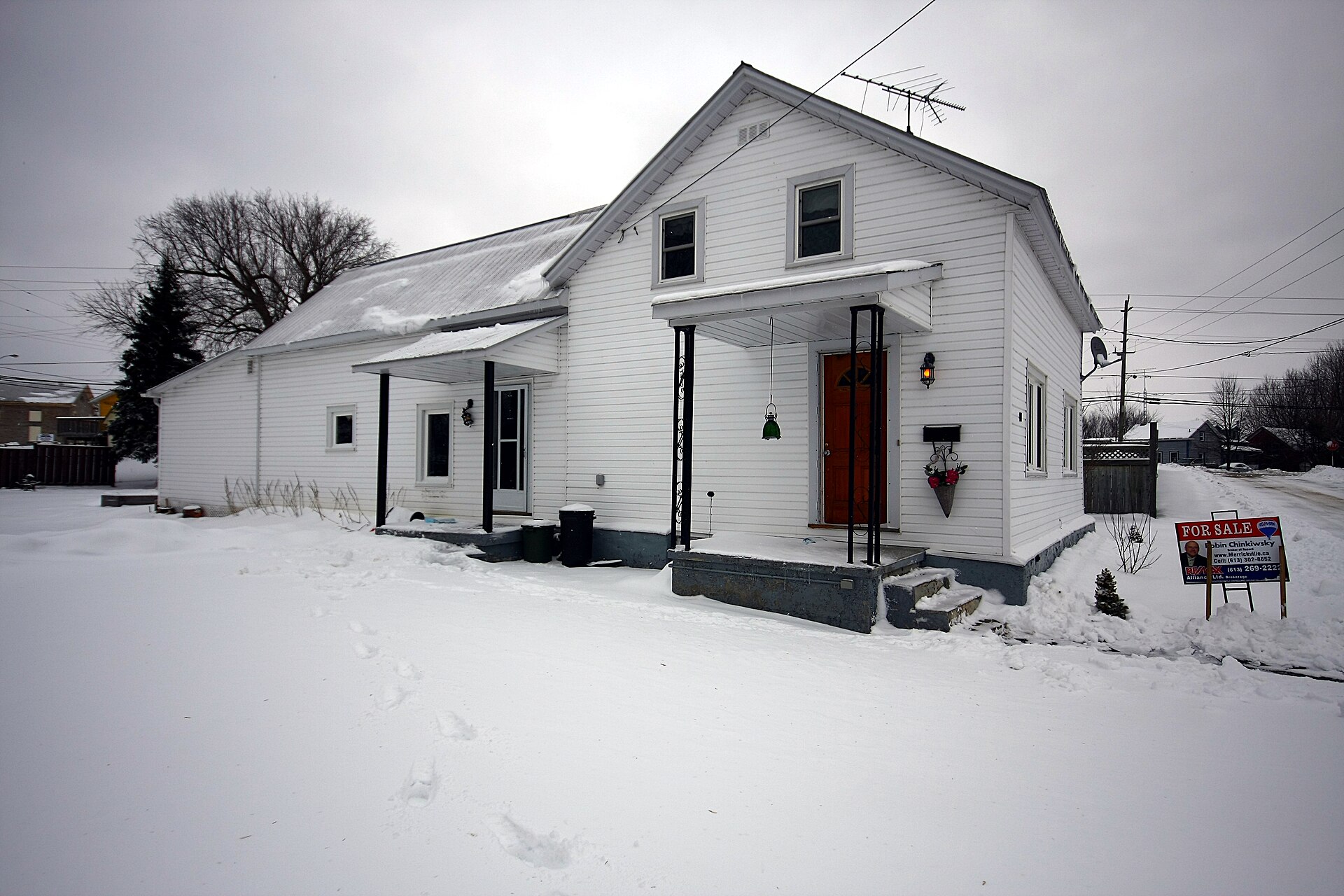
Seasonal Pattern:
Sale prices relative to asking tend to be stronger in spring than in winter, although this varies by year and area.
Conclusion: Mastering GTA Negotiations
In Toronto’s fragmented market, success depends on practical incentives, local knowledge and data-driven pricing. Partner with an agent who knows local market data and TRESA compliance to turn bargaining chips into sold signs.